
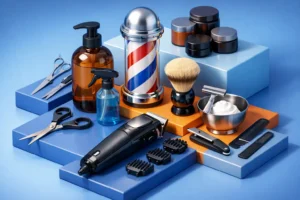
How to Use Scalp Oil the Right Way
- Home
- Single Blog

How to Use Scalp Oil the Right Way
A dry, tight scalp can ruin a fresh cut fast. So can heavy buildup, greasy roots, or oil sitting on top of the skin doing nothing. If you want to know how to use scalp oil the right way, the goal is simple – get moisture where it matters, keep the scalp balanced, and avoid turning a good product into a problem.
Scalp oil is not a magic fix by itself. It works best when the scalp is clean enough to absorb it, the amount makes sense for your hair type, and the application matches what your scalp actually needs. That matters in the shop and at home. A barber-grade result is always about control.
What scalp oil is supposed to do
Scalp oil helps reduce dryness, soften flaky areas, and support a healthier scalp environment. It can also improve manageability if your hair gets rough or dull from dehydration. For clients with braids, waves, short crops, or protective styles, it can help keep the scalp from feeling stressed between washes.
What it does not do is replace cleansing. If the scalp is loaded with sweat, pomade, dead skin, or product residue, adding more oil on top usually makes things worse. You may get temporary shine, but not real relief. That is why technique matters more than just buying a bottle.
How to use scalp oil based on scalp condition
Not every scalp needs the same routine. A dry scalp needs moisture support. An oily scalp needs restraint. A flaky scalp might need oil, but it might also need better washing habits or a formula that does not clog things up.
If your scalp feels tight after shampooing, looks ashy, or gets itchy without redness, a light oil application can help seal in moisture. If your scalp gets greasy by day two, use less and space out applications. If you see heavy flakes, irritation, or sores, do not keep piling on product and hoping for the best. That is a sign to pull back and figure out whether the issue is dryness, dandruff, sensitivity, or buildup.
This is where a lot of people miss. They treat every flake like dryness. Sometimes it is actually excess oil and irritation mixed with poor cleansing. In that case, more scalp oil is not the fix.
Start with a clean scalp
The best time to use scalp oil is after the scalp has been cleaned and is slightly damp or fully dry, depending on the formula and your hair texture. Clean skin absorbs better. That means your oil has a chance to do its job instead of sitting on top of sweat and residue.
After shampooing, towel dry the hair so it is not dripping. If your scalp tends to dry out fast, applying oil while there is still a little moisture present helps trap that moisture in. For very short hair or bald scalp maintenance, a dry application can also work well because it lets you see exactly where the product is going.
If you are a barber applying product after a service, less is more. The scalp should look healthy, not soaked. A polished finish always beats an over-oiled one.
How much scalp oil to use
Most people use too much. Scalp oil should lightly coat targeted areas, not flood the whole head. A few drops are often enough for short hair, fades, waves, or a close-cut scalp. Medium to longer hair may need sections so the oil reaches the skin instead of getting stuck in the hair shaft.
Start small. You can always add more, but once the scalp is overloaded, you are left with limp hair, shine in the wrong places, and a scalp that attracts lint, dust, and product buildup.
A good rule is to apply just enough to make the scalp feel relieved, not slippery. If your fingertips are sliding around like you used pomade, you went too far.
The right way to apply it
Part the hair or work in sections so the oil reaches the scalp directly. Place a few drops along the part lines or on dry areas, then use your fingertips to massage it in. Keep the pressure firm but controlled. You are working the product into the skin, not scratching the scalp up.
The massage matters. It helps distribute the oil, loosens minor surface buildup, and can improve circulation at the scalp level. Take a minute or two and be precise. Fast, messy application wastes product and gives uneven results.
For very short cuts, waves, or shaved heads, put a small amount on your fingertips first, then work it across the scalp in circular motions. That gives you better control than pouring straight from the bottle.
When to use scalp oil
For most people, two to three times a week is enough. If the scalp is extremely dry, you may use it more often for a short period, then scale back once things normalize. Daily use can work for some textured hair types or protective styles, but only if the amount stays light and the scalp is being cleansed consistently.
Timing depends on your routine. After washing is usually the strongest move because the scalp is clear and ready. Between washes, use scalp oil only where needed. Do not turn touch-up use into a full reapplication every day unless your scalp truly requires it.
Barbers should also think about finish and wear. If a client is leaving the chair after a fresh lineup or fade, a heavy oil application around the hairline can break down the clean look. Keep the oil focused on the scalp, not smeared across the style.
Hair type changes the method
Straight or fine hair usually needs less oil because buildup shows faster and hair can look greasy with very little product. Coarse, curly, or tightly coiled hair often handles scalp oil better, especially when the scalp gets dry between wash days. Protective styles can benefit from targeted scalp oiling, but precision is key. You want nourishment at the base, not runoff down the braid.
Wave care sits in its own lane. Too much scalp oil can weigh the hair down and affect lay. A light hand keeps the scalp comfortable without killing the pattern. That balance is part of disciplined grooming.
If you wear pomades, creams, or other styling products often, be even more careful. Layering scalp oil under or over heavy stylers can create buildup fast. In that case, clean scalp days matter even more.
Mistakes that hold results back
The first mistake is using scalp oil on a dirty scalp and expecting treatment-level results. The second is overapplying because the scalp still feels dry when the real issue is dehydration, irritation, or poor cleansing habits. The third is confusing hair oil with scalp oil. Some oils are better for the hair shaft than the skin, and vice versa.
Another common mistake is scratching the product in with fingernails. That can create tiny abrasions and make irritation worse. Use the pads of your fingers and keep the motion controlled.
Finally, do not ignore how your scalp responds over time. If itching, redness, or flakes get worse, stop and reassess. Good grooming is about reading results, not forcing a routine.
How barbers can use scalp oil professionally
In the shop, scalp oil should support the service, not dominate it. It makes sense after a shampoo, hot towel scalp care step, braid prep, or as part of a scalp-focused finish for clients dealing with dryness. It also adds value when you explain why you are using it and how much the client should use at home.
That is where professional credibility shows. Anyone can sell a product. A barber who understands application, scalp condition, and finish control gives the client a better result and a better routine. That is the difference between retail chatter and real guidance.
A professional-grade approach means clean sections, measured product use, and no greasy residue around the lineup, ears, or neckline. Encore The Barber speaks to that standard for a reason. Results have to look sharp in the chair and hold up after the client walks out.
How to know it is working
A good scalp oil routine usually shows up as less tightness, fewer dry patches, a calmer feel between washes, and hair that looks healthier without looking weighed down. You should not feel like you need more and more product every day.
If the scalp feels comfortable but not greasy, you are in the right zone. If flakes are softening and the scalp looks cleaner instead of shinier, that is progress. If your roots feel heavy or your style keeps collapsing, tighten up the amount and frequency.
The best routines are repeatable. They fit your cut, your texture, your work, and your wash schedule. That is the real standard.
Use scalp oil with intention, not guesswork. A few controlled drops on the right scalp will always outperform a heavy hand and a messy routine.
Share This :
Search
Recent Post
How to Set Trimmer Zero Gap Safely
July 3, 2026
How to Sharpen Lineup Edges Cleanly
July 1, 2026
When to Replace Clipper Blades
June 29, 2026