How to Sharpen Lineup Edges Cleanly
- Home
- Single Blog
How to Sharpen Lineup Edges Cleanly
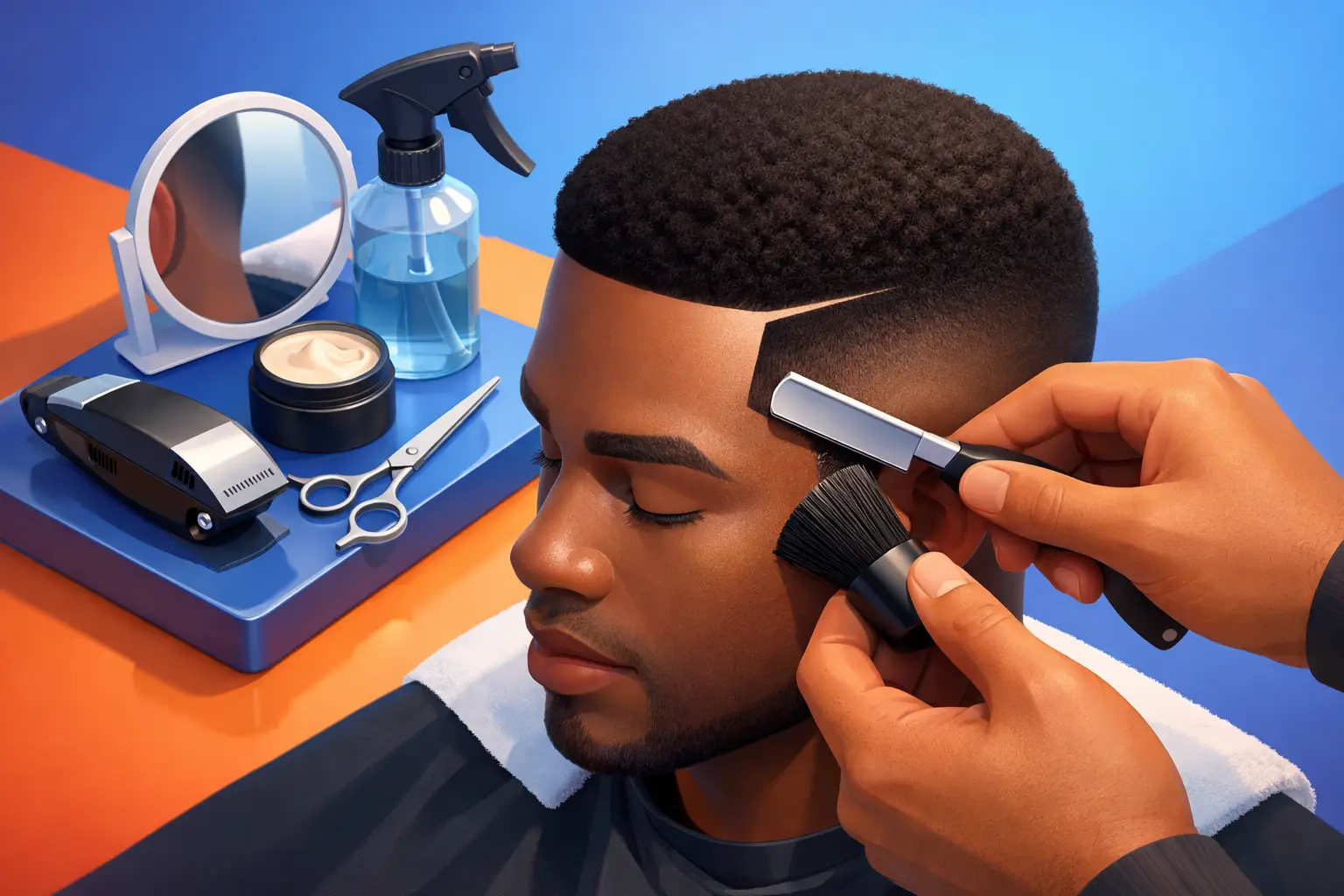
A lineup can be technically straight and still look weak. That usually comes down to one thing – the edge is there, but it is not crisp. If you want to know how to sharpen lineup edges, you need more than a steady hand. You need clean prep, the right trimmer setup, smart tension, and the discipline to stop cutting before you push the line back.
Barbers know this already: sharp edges are not just about eyesight or talent. They come from repeatable habits. The difference between a soft front line and a client-ready finish is often a few small decisions made before the trimmer even touches the skin.
What sharp lineup edges actually come from
A sharper lineup is not created by cutting deeper. It is created by contrast, control, and clean execution. If the skin is oily, the hair is lying down, the blade is dragging, or the client is moving, the line will never read as sharp as it could.
That is why some lineups look stronger even when very little hair was removed. The barber set the surface up correctly, used the corner of the blade with intention, and built the line in small passes instead of trying to carve it in one shot.
There is also a limit. Not every client can wear the same level of enhancement or the same degree of pushback. Hair density, growth pattern, skin tone, and existing recession all change the approach. Sharp does not always mean dramatic. Sometimes the best lineup is the one that looks natural at arm’s length and still clean in the chair mirror.
Start with surface prep before you touch the edge
If the hairline is dirty, damp, or loaded with product, your trimmer will not read the true edge. That leads to guessing, and guessing is how corners get eaten up.
Brush the hairline thoroughly first. Get the shorter hairs standing up and remove loose cut hair from the forehead and temple area. If the client has oil, sweat, or heavy pomade at the front, clean it off. A dry, clear surface gives you a more honest line to work with and helps the blade hit cleanly.
Skin tension matters here too. Loose skin creates bounce, and bounce creates uneven contact. Stretch the skin just enough to stabilize the area without distorting the natural hairline. If you overpull, you can cut a line that shifts the second the skin relaxes.
The role of visibility
A lot of soft lineups come from poor visibility, not poor skill. Make sure your lighting is direct and your client is positioned upright. Step back often. The closer you are, the easier it is to get obsessed with one hair and lose the shape of the entire lineup.
For home users, this is where most mistakes happen. A bathroom mirror and rushed angle work are a bad combination. If you cannot clearly see both corners evenly, wait until you can.
Your trimmer setup decides a lot
You cannot get elite detail work from a trimmer that is dirty, underpowered, or hitting rough. Sharpening lineup edges starts with a blade that cuts clean without forcing pressure.
The blade should be clean, aligned properly, and free of packed-in debris. A trimmer that drags will tempt you to press harder, and extra pressure is what turns a crisp line into an irritated one. Keep the blade oiled lightly and check that the teeth are set for detail work, not biting the skin.
Not every barber likes the same zero-gap setup, and that is fine. Closer is not always better if it costs you comfort or forgiveness. Some trimmers hit hard enough for sharp outlines without being pushed to the absolute limit. What matters is consistency. Know exactly how your tool responds on corners, curves, and dense front lines.
How to sharpen lineup edges without pushing them back
The biggest mistake is treating the lineup like a sketch you can erase. You cannot. Every pass changes the shape.
Start in the center only if the middle point is clear and established. Otherwise, build from the stronger side and match across. Use the corner of the blade for detail instead of laying the full blade flat right away. This gives you more control and keeps you from taking too much too fast.
Work in short taps or light strokes. Let the line appear gradually. Once you see the shape, reinforce it with careful passes instead of immediately digging for maximum darkness. A lineup usually gets sharper through refinement, not aggression.
Corners need patience, not speed
Corners expose shaky technique fast. If the client’s corner is thin, do not chase density that is not there. Define what exists and preserve it. Trying to manufacture a heavy corner on weak growth usually leads to obvious pushback.
On stronger corners, keep your wrist relaxed and watch the angle of entry. A square hit with too much pressure can hollow the area before you realize it. Use the blade edge to place the corner, then strengthen it a little at a time.
Temples and curves are where shape gets tested
Temple areas can make the lineup look polished or off-balance. Here, symmetry matters more than strict sharpness. One temple can naturally sit higher or grow lighter than the other, so matching them perfectly may not mean cutting them identically.
This is where experienced barbers separate themselves. They read the face, not just the hairline. The cleanest lineup is the one that fits the client’s head shape and still looks even from multiple angles.
Use contrast to make the edge look sharper
A crisp lineup is partly a cutting result and partly a visual result. If bulk is sitting too heavy behind the line, or if loose stubble around the perimeter is left untouched, the edge will not pop the way it should.
Cleaning the area around the lineup with a foil shaver or careful clipper detailing can increase contrast and make the line read sharper. The trade-off is that not every client wants that level of exposed skin, especially if they are sensitive or prone to razor bumps. You have to know when more contrast improves the finish and when it creates irritation risk.
For beard lineups, the same principle applies. A defined cheek or neck line looks sharper when the surrounding area is cleaned properly and the beard is brushed into place before detailing. Random hairs left outside the shape make the whole service look unfinished.
Why pressure and angle matter more than people think
Most lineup errors are not shape errors at first. They are pressure errors that turn into shape problems. When you press too hard, the blade cuts beyond the target and leaves a harsher mark than intended. Then you try to fix it, and the line moves farther back.
Keep the trimmer at a controlled angle and let the blade do the work. If the hair is not cutting, the answer is usually better prep, better blade maintenance, or a better angle – not more force.
This also protects the client’s skin. Sharp lineups should look precise, not leave the forehead lit up and irritated. Clean execution includes comfort.
How to keep lineup edges sharp after the service
A fresh lineup can lose its look quickly if the client leaves with sweat, heavy product, or no aftercare plan. Barbers should know how to finish the service in a way that preserves the work.
Wipe away loose hairs, calm the skin if needed, and brush the hairline back into place. If the client uses grease-heavy products at home, let them know that buildup around the edge can make the lineup look dull faster. For beard wearers, regular brushing and light maintenance around the line help keep the shape looking intentional between cuts.
For home grooming clients, the best advice is simple: do not keep touching the line every other day. Overcorrecting is how a good lineup disappears. A clean touch-up schedule beats constant guessing.
The standard is consistency, not tricks
There are enhancements, pencils, and other finishing moves that can add drama. Used well, they can elevate a service. Used badly, they expose weak cutting. A sharp lineup has to stand on its own before anything extra goes on top.
That is the standard serious barbers work by. Build the line with skill, use tools that perform under pressure, and make every pass deliberate. Encore The Barber speaks to that kind of work for a reason – precision is not a slogan in this trade, it is the job.
If you want sharper lineup edges, slow down just enough to see what the hairline is giving you, then cut with discipline. The cleanest edge is usually the one that looks effortless because nothing extra had to be forced.
Share This :
Search
Recent Post
How to Set Trimmer Zero Gap Safely
July 3, 2026
How to Sharpen Lineup Edges Cleanly
July 1, 2026
When to Replace Clipper Blades
June 29, 2026