Best Shampoo for Barbershop Use
- Home
- Single Blog
Best Shampoo for Barbershop Use
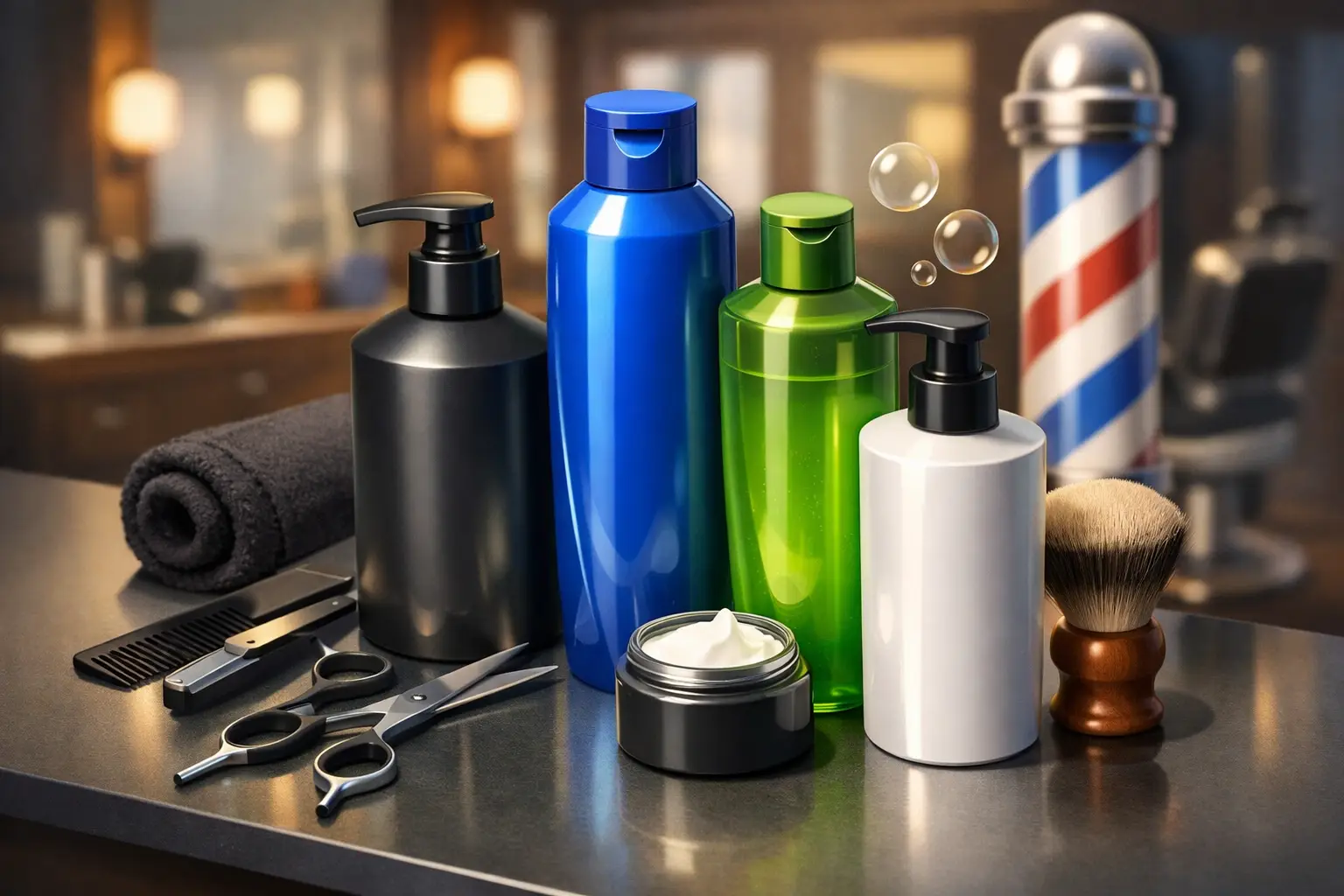
A weak shampoo shows up fast in a working shop. Hair stays heavy after the rinse, product buildup hangs around the scalp, and the finish on the cut never looks as clean as it should. The best shampoo for barbershop use does more than wash hair – it sets up the service, supports the scalp, and helps the final result look sharper in the chair and in the mirror.
What makes the best shampoo for barbershop use
Barbers do not need a shampoo that looks good on a shelf and underperforms at the bowl. Shop use is different from home use. You are dealing with pomade, spray, sweat, beard debris, flaking scalp, wave product buildup, and clients with completely different hair textures back to back.
That changes the standard. A barbershop shampoo has to cleanse thoroughly without stripping the hair so hard that the client walks away dry, irritated, or harder to style. It also needs enough slip to move through the hair quickly, rinse clean without residue, and leave the scalp feeling fresh instead of tight.
Performance matters, but so does consistency. In a shop, you need a formula that behaves the same way all day. If the shampoo lathers well on one client and drags on the next, it slows the service down. If it leaves a coating behind, clipper-over-comb work, scissor control, and even blow-drying can feel less precise.
Why shampoo matters more than some barbers think
A lot of barbers treat shampoo like a basic add-on. That is a mistake. The wash stage can improve the entire service if the formula is right.
First, clean hair is easier to read. You can see growth patterns, scalp condition, density, and natural texture more clearly once buildup is gone. That helps with consultation and execution. A better read leads to a better cut.
Second, shampoo affects the finish. Hair that is weighed down by oil and product does not move naturally. It can hide bulk, distort shape, and make a fresh fade look less crisp than it really is. Clean hair responds better to drying, brushing, sectioning, and product application.
Third, the shampoo experience shapes how clients judge the shop. A proper wash feels professional. It tells the client this is not a rushed chop-and-go operation. It is part of the standard.
The qualities to look for in a shop shampoo
The right formula depends on your client base, but a few qualities hold up in almost every barbershop.
Strong cleansing without harsh stripping
Barbers regularly see clients using heavy greases, waxes, pomades, gels, oils, and wave products. The shampoo has to break through that buildup. But there is a line. If the formula strips too aggressively, the scalp can feel raw and the hair can become dry, rough, or harder to manage.
That trade-off matters most in shops serving textured hair, beard clients, and men dealing with dry scalp. A strong cleanser is useful. An over-drying cleanser creates another problem you now have to work around.
Fast rinse and low residue
In a busy shop, rinse time matters. A shampoo that takes forever to wash out costs time on every client. Residue also matters. If the hair still feels coated after rinsing, the service starts with one hand tied behind your back.
A clean rinse leaves the hair light, responsive, and ready for the next step. That is what you want before cutting, conditioning, or applying treatment products.
Scalp support
A good shop shampoo should help calm common scalp issues, not aggravate them. Dryness, light flaking, itch, and product congestion show up all the time in the chair. You are not trying to replace medicated treatment when it is actually needed, but your shampoo should not make those concerns worse.
Ingredients that support scalp comfort can be a real advantage, especially if your clients come in on a two-week rhythm and rely on your service to reset their scalp.
Works across hair types
The best barbershop formulas are versatile. That does not mean one shampoo is perfect for every client. It means the shampoo performs well across straight, wavy, curly, coily, fine, dense, short, and beard hair often enough to earn a permanent spot at the bowl.
Versatility is especially valuable for shops that move fast and do not want five different cleansers cluttering the station.
One shampoo or a two-shampoo setup?
This depends on your traffic and the kind of services you run.
If your shop handles a wide range of clients and a lot of heavy product use, a two-shampoo setup usually makes more sense. Keep one everyday professional shampoo for standard cleansing and one deeper-cleansing option for clients with serious buildup. That gives you flexibility without overcomplicating the service.
If your client base is more consistent, one balanced formula may be enough. The key is choosing a shampoo that cleans well in one pass most of the time and does not punish the scalp.
There is no prize for using the strongest formula on every head. Good barbers know when to go harder and when to keep the service controlled.
Best shampoo for barbershop use by service need
If you are evaluating shampoos for shop performance, think in terms of service need instead of hype.
For haircut prep, you want a balanced cleanser that removes daily buildup and leaves the hair easy to section and control. For wave clients, you need something that can cut through grease and pomade without drying the scalp into flakes. For beard services, a gentle but effective shampoo matters because facial skin can react faster than the scalp. For clients with visible scalp dryness, a moisturizing formula is usually the better call than an aggressive clarifier.
This is where a lot of shops miss. They pick based on fragrance or marketing language instead of how the formula performs under actual service conditions.
Ingredients and formula behavior matter
You do not need to turn every barber into a cosmetic chemist, but you should know what a formula does once it hits the bowl.
Surfactants determine how the shampoo cleanses. Conditioning agents affect slip, softness, and how the hair behaves after rinsing. Oils and humectants can help with moisture, but too much can leave the hair heavy if the rinse is not clean. Scalp-focused ingredients can help reduce that dry, irritated feeling some clients get after washing.
Fragrance is another practical issue. A strong scent may seem appealing, but in a shop environment it can clash with aftershave, beard products, and finishing sprays. Clean and controlled usually wins.
Texture matters too. A shampoo that spreads easily and lathers without needing half the bottle is better for shop economics. You want performance per use, not just a low sticker price.
How to test a shampoo before you commit
Do not judge a shampoo from one wash on one hair type. Test it the same way your shop actually works.
Use it on clients with short hair, longer textured hair, product-heavy wave styles, and beard services if those are part of your menu. Watch how quickly it breaks down buildup, how much product you need, how fast it rinses, and how the hair feels before styling. Pay attention to client feedback too. If multiple people say their scalp feels dry after the service, believe them.
Also track workflow. A shampoo may clean well but still be the wrong fit if it slows down your rinse process or forces you into double washes too often. Time is part of performance.
Professional image starts with professional standards
Clients notice the details. They notice whether the shampoo feels cheap. They notice whether their hair feels clean or stripped. They notice whether the service feels intentional.
That is why barbers should treat shampoo like any other serious tool in the shop. It is not background inventory. It is part of the result. The right formula helps the cut sit better, helps the scalp feel better, and supports the level of work your name is attached to.
A professional-grade option like KitiKiti shampoo makes sense when your standard is clean execution and repeatable performance, because that is what shop products are supposed to deliver.
The real answer is performance under pressure
The best shampoo for barbershop use is not the one with the loudest label or the most claims. It is the one that holds up on a full day of services, cleans without wrecking the scalp, and helps you finish every cut looking client-ready.
If a shampoo saves time, improves hair control, and leaves the client feeling fresh instead of overwashed, it earns its place. That is the standard. Anything less is just taking up space at the bowl.
Choose the formula that works as hard as you do, and your services will show it before you ever say a word.
Share This :
Search
Recent Post
How to Set Trimmer Zero Gap Safely
July 3, 2026
How to Sharpen Lineup Edges Cleanly
July 1, 2026
When to Replace Clipper Blades
June 29, 2026