

How to Maintain 360 Waves the Right Way
- Home
- Single Blog
How to Maintain 360 Waves the Right Way
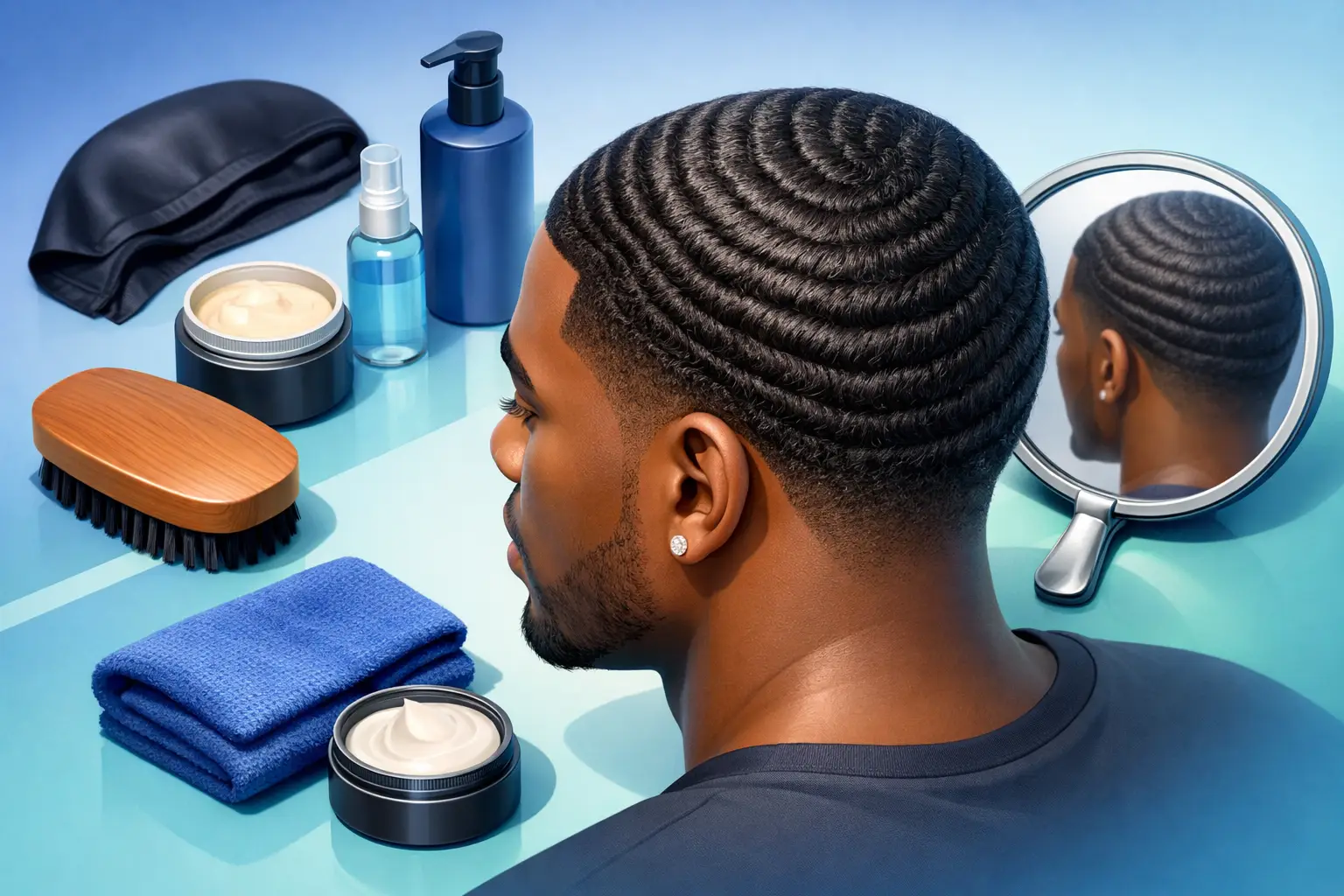
If your waves look sharp on day three but fall apart by the weekend, the issue usually is not your pattern. It is your maintenance. Knowing how to maintain 360 waves comes down to consistency, hair health, and using the right tools with the right timing. Waves are built in the brush, but they are kept through discipline.
A lot of people chase progress with harder brushing, more products, or constant cuts. That usually backfires. Good wave maintenance is less about doing everything and more about doing the right things on schedule. If you want clean connections, steady definition, and a crown that stays under control, your routine has to work like a system.
How to maintain 360 waves without losing progress
Once your pattern is set, the goal changes. You are no longer trying to force waves from scratch. Now you are protecting lay, keeping moisture balanced, and preventing frizz, forks, and overgrowth from breaking up the pattern.
That means your wave routine should cover four jobs: brushing, compression, washing, and product control. If one of those is off, the rest start slipping. You can brush for an hour a day, but if your hair is dry and uncompressed, the finish will still look rough.
Brushing is still the foundation, but maintenance brushing is different from heavy training sessions. You are reinforcing an existing pattern, not fighting your hair every day. Most wavers do better with shorter, focused sessions done consistently than random marathon sessions when they remember.
Your brushing routine needs structure
For most people, two to four brushing sessions a day are enough to maintain 360 waves. The exact number depends on your hair texture, wolf length, and how trained your pattern already is. Coarser hair usually needs more attention during longer wolfing periods. If your waves are already set and your cut is fresh, you may not need as much time.
The key is clean technique. Brush with the grain of your pattern from the crown outward, and stay precise with your angles. Sloppy brushing creates weak connections fast. If your right side is laid but your back is fighting you, it is usually an angle issue, not a product issue.
A session does not have to be long to be effective. Ten to fifteen focused minutes with a quality wave brush can do more than thirty distracted minutes. Start with a medium brush for general maintenance. If you are deep into a wolf, a hard brush can help reach new growth, but it should not be your default if your scalp is getting irritated. A soft brush is what seals the session and smooths the top layer before you rag up.
Compression is what keeps the work in place
A lot of wave routines break down after the brush session. Hair gets laid, then left uncompressed, and within an hour the pattern starts lifting back up. A durag is not optional if you are serious about maintenance. It holds the hair in position, reduces frizz, and protects the definition you just built.
If you are brushing at home, follow the session with compression. Even twenty to thirty minutes helps. Overnight compression matters even more. Sleeping without a durag is one of the fastest ways to lose a clean finish, especially during a wolf.
Some people double compress with a durag and a wave cap. That can work, but it depends on your hair and your tension. Too much pressure can leave lines or discomfort. The goal is firm lay, not headache-level tightness.
Moisture matters, but heavy product can kill the look
Waves need moisture because dry hair frizzes, lifts, and breaks. But there is a difference between moisturizing your hair and burying it under grease. Heavy product buildup makes brushing less effective and can clog the scalp. You want control, not residue.
A light moisturizer or non-greasy treatment usually works better for daily maintenance than thick pomades. If your hair dries out fast, you may need to moisturize more often. If your hair holds product easily and starts looking dull or coated, back off. This is one of those areas where it depends on your texture and climate.
Apply product with a light hand, then brush it through so it spreads evenly. Do not let product sit on top of the hair. That does not train waves. It just weighs them down. Healthy scalp care matters too. If your scalp is itchy, flaky, or inflamed, your wave progress will show it.
A clean formula and disciplined use will always beat overloading your head because you think more product means more shine.
Washing has to support your pattern
People either overwash and dry their hair out or avoid washing because they are scared to lose progress. Both approaches create problems. If you want to know how to maintain 360 waves long term, you need a wash routine that keeps the scalp clean without disturbing the pattern.
Most wavers do well washing once or twice a week, depending on activity level, buildup, and product use. If you sweat heavily, work long shop hours, or train often, you may need more frequent washing. The answer is not to avoid shampoo. It is to wash correctly.
Wash with your pattern, not against it. Work shampoo through the hair carefully, using your hands in the direction your waves flow. A lot of wavers also use a wash-and-style method, where the hair is brushed with lather in it, then compressed with a durag before rinsing or after the wash process. That can help preserve lay during a wolf and keep the pattern organized.
Use a conditioner that brings moisture back into the hair after cleansing. Dry, stripped hair does not hold a polished wave finish well. Once your hair is dry enough, get back to brushing and compression so the pattern resets cleanly.
Haircuts can help or hurt your maintenance
A fresh cut sharpens waves, but cutting too low can set you back. One of the biggest mistakes is getting excited about progress and then taking too much off. If your pattern is still developing, aggressive cuts can make weak areas look even weaker.
Most wavers maintain best with regular cuts that preserve enough length for the pattern to show. The ideal guard depends on your texture and stage. Some can keep strong definition at a 1.5 or 2. Others need more length to keep the waves visible and connected. If you are wolfing, your maintenance work shifts toward controlling bulk and keeping the hair laid until the next session in the chair.
A barber who understands wave cuts makes a difference. The cut should support the pattern, not erase it. Clean taper work and a sharp lineup can make average waves look stronger, but the real foundation is still the routine between cuts.
Crown control separates average waves from finished waves
The crown is where maintenance gets real. You can have solid sides and a clean top, but if the crown is messy, the whole set looks unfinished. That area needs extra attention because the growth pattern is tighter, more directional, and easier to throw off.
Brush from the crown out using your exact pattern. If your crown is spinning unevenly, do not just brush harder. Slow down and fix the angle. A mirror setup helps, especially for the back and crown area where people tend to guess instead of being precise.
This is also where compression and controlled wolfing matter most. Extra growth can help train the crown, but only if you are brushing it correctly. Letting it grow without structure just creates chaos at the center of your pattern.
What usually throws wave maintenance off
Most setbacks are not dramatic. They come from small bad habits repeated for a week or two. Sleeping uncovered, skipping brush sessions, overusing product, washing without resetting the hair, and getting inconsistent cuts all chip away at the finish.
Tool quality matters too. A solid brush with the right pull for your texture gives you better control than a cheap brush that scratches the scalp and moves hair unevenly. The same goes for shampoos, conditioners, and treatments. Barber-grade tools and formulas are built for performance, and that shows up in the results. Encore The Barber speaks to that side of the game for a reason. Good execution starts with equipment that can hold up.
Still, tools only work if your habits are right. There is no shortcut product that replaces routine. Waves reward repetition.
How to maintain 360 waves when life gets busy
The best routine is the one you can actually keep. If your schedule is packed, simplify instead of falling off. Hit a focused morning brush session, rag up after, keep your hair moisturized without overdoing it, and lock in overnight compression. That alone can keep your progress stable until you have more time for longer sessions.
If you are in the shop all day, keep a brush nearby and tighten up your lay during downtime. If you are maintaining waves at home, treat the process like grooming discipline, not an occasional fix. Small, consistent work beats sporadic effort every time.
Waves look effortless when they are maintained well, but anybody in the culture knows they are built on routine. Stay sharp with your brush angles, stay honest about your product use, and protect the work after every session. That is how a wave pattern stays clean long after the first progress photo.
Share This :
Search
Recent Post
How to Set Trimmer Zero Gap Safely
July 3, 2026
How to Sharpen Lineup Edges Cleanly
July 1, 2026
When to Replace Clipper Blades
June 29, 2026