Best Wave Brush for 360 Waves
- Home
- Single Blog
Best Wave Brush for 360 Waves
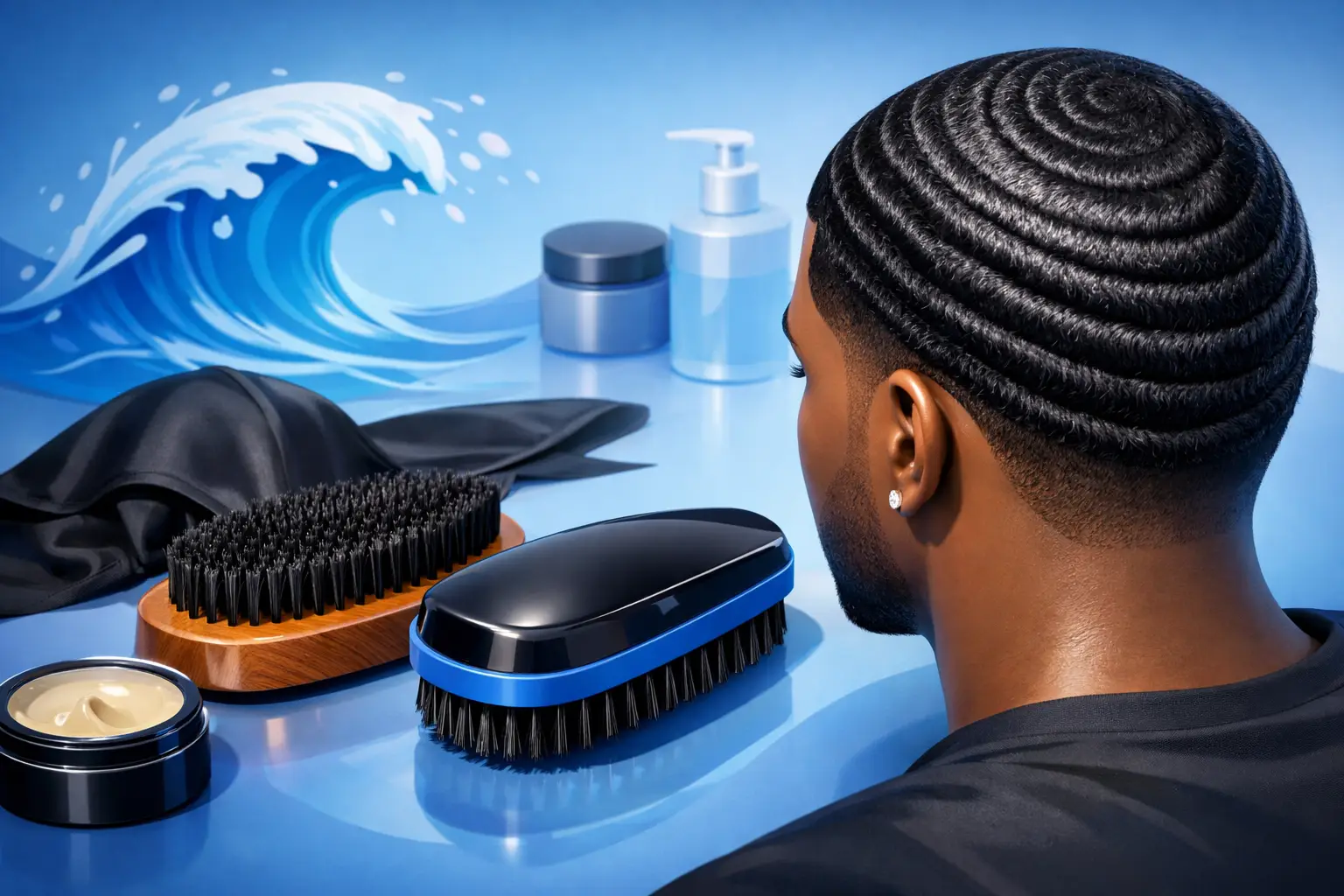
A lot of wave problems get blamed on pomade, wash routines, or genetics when the real issue is simpler – the brush is wrong. If you are trying to figure out the best wave brush for 360 waves, start with this: the right brush has to match your hair length, hair texture, and stage of progress. A brush that is too hard can break progress and irritate the scalp. One that is too soft can leave your pattern undertrained and weak.
That is why barbers who know waves do not treat brushes like accessories. They treat them like working tools. The brush sets the direction, lays the hair down, and helps build definition session after session. Pick the wrong one, and your routine gets longer with less to show for it.
What makes the best wave brush for 360 waves?
The best brush is not just the most expensive one or the one with the most hype. It is the one that gives you control without beating up your scalp or pulling your hair out. In wave work, control matters more than flash.
A quality wave brush should do three things well. It should grip enough hair to train the pattern. It should move cleanly across the scalp without snagging. And it should hold up under daily use. Cheap brushes often fail in at least one of those areas. The bristles bend too fast, the handle feels awkward, or the cushion starts separating after a few weeks.
For serious wave building, bristle type and brush firmness matter most. Handle style matters too, but that is more about comfort and consistency in your sessions. If the brush makes your angles sloppy, your pattern gets sloppy.
Soft, medium, or hard – which wave brush do you need?
This is where most people get off track. They buy one brush and expect it to do everything. Strong wave progress usually comes from using the right firmness at the right time.
Soft brushes
A soft brush is best when your hair is laid down, your cut is fresh, or your scalp is sensitive. It helps with polishing the pattern and keeping the hair neat without too much tension. Soft brushes are also useful during finishing sessions right before a durag goes on.
The trade-off is simple. A soft brush feels good, but it does not always reach deep enough if your hair is thick or you are wolfing. For coarse textures or longer growth, a soft brush alone usually is not enough.
Medium brushes
For a lot of wavers, medium is the everyday workhorse. It gives you enough pull to train the hair but does not feel as aggressive as a hard brush. If you are at a low to mid wolf and want a balance between progress and comfort, medium is usually the safest choice.
This is often the best starting point for beginners because it gives room to learn your angles and build consistency. You can make mistakes with a medium brush and still recover. A hard brush is less forgiving.
Hard brushes
Hard brushes are for deeper pull, especially during longer wolfing stages or with coarser hair that needs stronger tension. When used correctly, they help reach hair closer to the root and strengthen the pattern when the crown starts getting stubborn.
But hard does not mean better. If your hair is short, your scalp is tender, or your technique is rough, a hard brush can do more damage than good. Redness, breakage, and overbrushing are common when people jump to hard brushes too soon.
The best wave brush for 360 waves depends on hair texture
Hair texture changes everything. A straight or loosely curled texture may respond faster to softer or medium bristles. Coarser hair usually needs firmer bristles, especially once the wolf gets heavy. There is no clean one-size-fits-all answer.
If your hair is coarse and dense, you need a brush that can reach through bulk without folding over. If your hair is finer, a brush with too much stiffness can scratch the scalp and push the hair out of place instead of training it. The goal is pressure with control, not force for the sake of force.
This is also why barber-grade tools matter. A serious brush should keep its shape through repeat sessions. If the bristles lose tension fast, your routine gets weaker even if you are brushing every day.
How hair length changes the brush you should use
Fresh cut hair and wolfed hair do not need the same brush. That should be obvious, but a lot of people still use one setup through every stage.
Right after a cut, especially when the hair is low, softer bristles usually make more sense. They help maintain the lay and keep the pattern clean without overworking the scalp. As the hair grows in and the wolf gets thicker, medium or hard brushes become more useful because they can pull through more hair and keep the pattern connected.
Once the wolf gets long, some wavers rotate between all three. Hard to break through the bulk, medium to train and reinforce, soft to smooth and finish. That setup is not overkill if you are serious about results. It is just using the right tool for the right part of the job.
Wood handle, palm brush, or no-handle?
A brush can have the right bristles and still perform poorly if it feels wrong in your hand. For 360 waves, angle control matters. If your brush grip feels unstable, your strokes will drift, especially around the crown and sides.
Handled brushes often give better leverage, which some people prefer during long sessions. Palm brushes and no-handle styles can offer tighter control and feel more natural for detail work. Neither is automatically better. What matters is whether you can hit the same angles consistently without straining your wrist or changing your stroke path.
If you are brushing multiple times a day, comfort is not a small detail. It affects consistency, and consistency is what builds waves.
Signs your wave brush is holding you back
Sometimes the issue is not your routine. It is the brush itself. If the bristles are too soft to move your hair, too hard for your current length, or already worn down, progress will slow down even if your discipline stays high.
Watch for obvious signs. Your scalp stays irritated after normal sessions. The brush drags and snags instead of gliding. The bristles flatten quickly. Your hair looks frizzy after brushing instead of laid. Those are not small annoyances. They are signals that the tool is working against the result.
A serious grooming setup should help you get repeatable outcomes. That is true in the shop and at home. Encore The Barber builds around that same standard – performance first, no wasted motion.
How to use your brush for better 360 wave results
Even the best wave brush for 360 waves will not fix poor technique. The brush is only part of the system. Your pattern comes from repeated, clean strokes in the right direction.
Brush with purpose, not speed. Fast brushing with bad angles just trains bad habits. Start from the crown and work outward based on your pattern. Keep your sessions controlled. If you are putting in pressure, make sure it is pressure the hair can handle.
Use the firmer brush when you need depth, then follow with a softer brush to smooth and lay the hair down. Pair that with proper compression using a durag or wave cap, and the brush work holds better. Without compression, even a strong session can lose shape fast.
Also pay attention to frequency. More brushing is not always better if your scalp is inflamed or your hair is overworked. There is a line between consistent training and unnecessary damage.
So what should you actually buy?
If you want one brush to start, go with a medium brush from a barber-grade brand that focuses on durable bristles and solid construction. That is the safest choice for most people building or maintaining 360 waves. It gives enough pull for progress without being too punishing.
If your hair is coarse or you are deep into a wolf, add a hard brush. If your hair is already trained and you need a clean finish, add a soft brush. The best setup for serious wave work is usually not one magic brush. It is a rotation that matches the stage your hair is in.
That is the real answer. The best wave brush is the one that fits your texture, your length, and your routine well enough to keep results consistent week after week. Waves are built through repetition, but repetition only pays off when the tool in your hand is doing its job.
A good brush should feel like an extension of your discipline. When it matches your hair and your method, every session gets cleaner, and your pattern starts looking like you actually meant to build it that way.
Share This :
Search
Recent Post
How to Set Trimmer Zero Gap Safely
July 3, 2026
How to Sharpen Lineup Edges Cleanly
July 1, 2026
When to Replace Clipper Blades
June 29, 2026