
Cleaning Brush for Clippers That Works
- Home
- Single Blog
Cleaning Brush for Clippers That Works
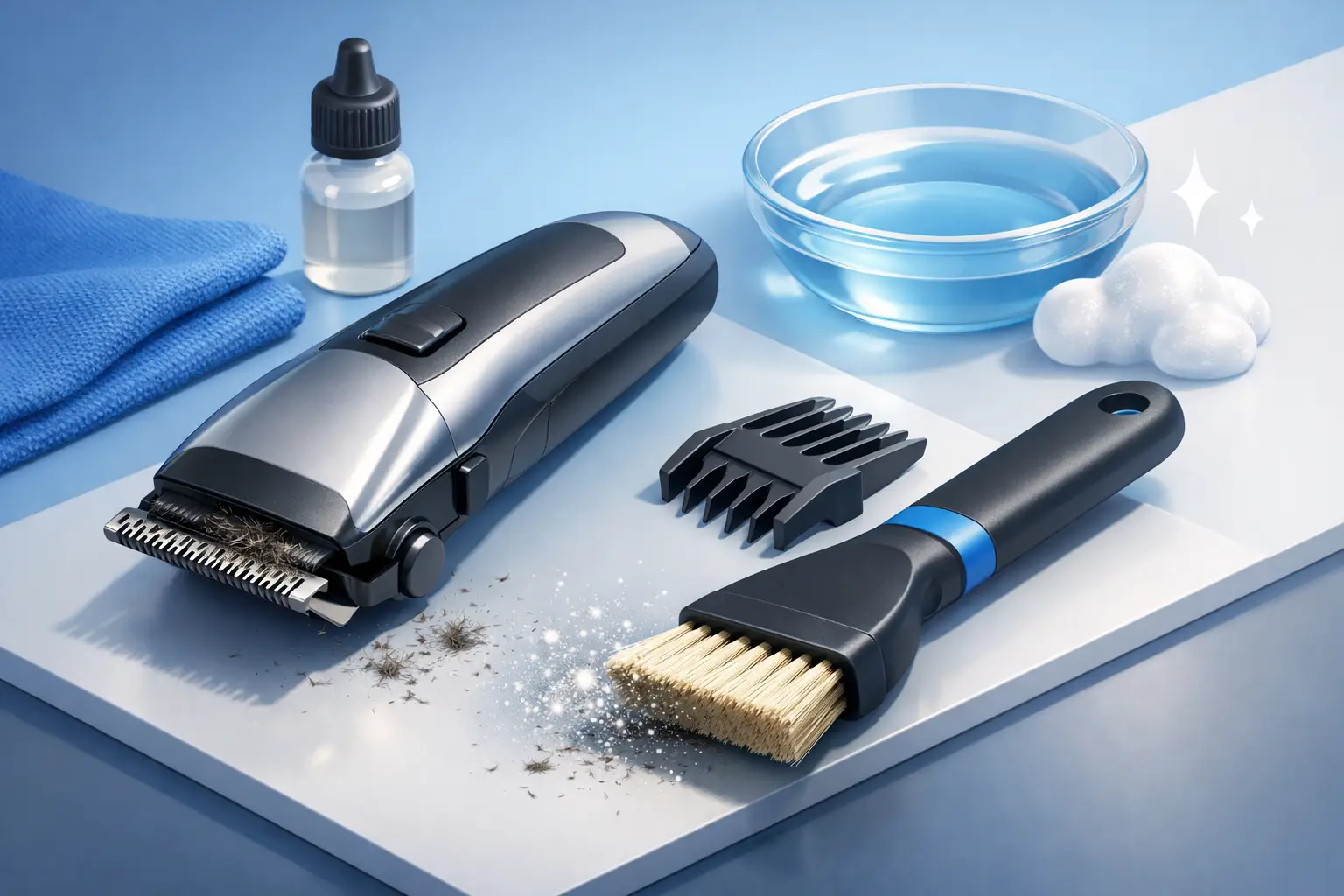
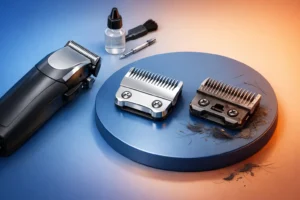
A missed hair trap inside your clipper doesn’t stay small for long. It turns into extra heat, rougher cutting, louder vibration, and that dragging feel every barber notices before the client does. A cleaning brush for clippers is one of the smallest tools on the station, but it protects the tools that make your fades, lineups, and bulk removal look clean in the first place.
Why a cleaning brush for clippers matters
Most barbers don’t lose performance all at once. It drops off little by little. Hair packs into the blade teeth, collects around the lever area, and settles into the housing where it holds heat and friction. You can still finish the cut, but the machine starts working harder than it should.
That is where the right brush earns its spot. It clears loose hair before buildup gets compacted, helps oil reach the blade properly, and keeps your clipper running closer to the way it was meant to run. Cleaner internals usually mean better blade movement, more consistent feeding, and less unnecessary strain on the motor.
For shop use, this is not about babying your tools. It is about protecting uptime. If your clippers are in your hand all day, maintenance has to be fast, repeatable, and effective. A good brush helps you do that without slowing down the service.
What makes a good cleaning brush for clippers
Not every brush belongs near professional tools. Some are too soft and just move hair around. Others are too stiff and feel rough on blade surfaces or tight spaces. The best brush lands in the middle – firm enough to lift packed debris, controlled enough to clean without feeling abrasive.
Bristle density matters more than most people think. Sparse bristles can miss fine cut hair, especially around trimmer blades and detail areas. Dense bristles usually clean more evenly and give you better contact along the blade teeth and corners. At the same time, if the bristles are overly thick or bulky, they may struggle to get into narrow gaps.
Handle control matters too. In a real shop setting, you want something that is easy to grip with one hand and easy to reach for between clients. If the brush is awkward, oversized, or flimsy, it becomes one more thing that gets ignored until the clipper starts acting up.
There is also a trade-off between compact and full-size brushes. A compact brush is easier to keep on the station and works well for quick cleanouts. A larger brush can cover more area faster, especially if you are cleaning multiple tools at once. If you run a busy setup, having both can make sense.
Where barbers actually use it
The obvious place is the blade, but that is only part of the job. A cleaning brush for clippers should be used across the full contact points where hair collects during a working day.
Start at the blade teeth and outer blade surface. That is where loose hair sits first, and it is the easiest place to clear before it gets driven deeper. Then work around the sides of the blade, the corners, and the area near the taper lever where short clippings like to hide.
If your model allows safe access, brush around the underside of the blade assembly after removing it according to the manufacturer’s instructions. This is where buildup often gets ignored. The clipper may still run, but trapped debris in that zone can affect movement and increase heat.
Barbers who use trimmers heavily for lineups and beard work should be even more consistent. Fine stubble and short detail hair can settle tightly into smaller blade spaces. That buildup can affect sharpness and precision faster than people expect.
How to use a cleaning brush the right way
Good cleaning is not complicated, but there is a right sequence. First, turn the tool off and make sure it is stable in your hand or on the station. Brush visible hair away from the blade teeth using short, controlled strokes. Do not jab at the blade or mash bristles into it. Let the brush lift debris out.
Once the visible hair is gone, work the sides and the back edge of the blade. If the clipper needs a deeper clean, remove the blade only if that is appropriate for the model and only if you know how to reinstall and align it correctly. Brushing without forcing parts is the key. Maintenance should improve performance, not create a blade alignment problem.
After brushing, apply clipper oil where needed. That part matters. Brushing clears the path, but oil helps reduce friction after the debris is removed. If you oil without cleaning first, you can end up mixing oil with old hair and turning loose debris into grime.
For disinfecting sprays, use them as part of your sanitation routine, but do not treat spray alone like a replacement for brushing. Spray can help sanitize and flush some debris, but packed hair still needs mechanical removal. The brush handles what chemicals alone often leave behind.
Daily shop use versus home use
A professional barber and a home user do not put the same wear on clippers. In a shop, tools cycle through multiple cuts, different hair textures, and long hours of continuous use. That means the brush should be part of the routine between clients and at the end of the day.
For home users, cleaning can be less frequent, but it still should not be random. If you are cutting your own hair every week or maintaining a beard and neckline regularly, buildup still affects blade life and cut quality. The difference is pace, not importance.
Professionals need speed and consistency. Home users usually need simplicity. In both cases, the right brush makes maintenance more likely because it takes less effort.
Signs your current brush is not doing the job
Sometimes the issue is not the clipper. It is the tool you are using to maintain it. If the brush sheds bristles, bends too easily, or leaves debris behind after multiple passes, it is probably costing you time more than saving it.
You should also pay attention to how your tools feel after cleaning. If the blade still looks packed, the motor sounds strained, or the clipper heats up fast again, your brush may not be reaching enough of the problem areas. That is especially true with cheap brushes that are more like dusters than maintenance tools.
Another sign is hesitation. If you avoid using the brush because it feels ineffective or awkward, it is not the right one for your station. Professional equipment needs professional support tools. Small details like this add up to cleaner execution across the week.
The brush is small, but the result shows up in every cut
Barbering is full of tiny habits that separate average work from sharp work. Keeping your tools clean is one of them. A good cleaning brush for clippers helps preserve blade action, reduce unnecessary heat, and maintain the control you rely on when the cut has to be right the first time.
That does not mean every clipper issue gets solved by brushing. Worn blades, poor alignment, old springs, and heavy internal damage need more than routine maintenance. But if your goal is better consistency and longer service life, regular brushing is one of the easiest wins in the shop.
At Encore The Barber, that is the standard – tools that hold up under real barber work and support clean, dependable results. Keep the brush on your station, use it before buildup becomes a problem, and your clippers will usually tell you the difference before your next client sits down.
Share This :
Search
Recent Post
How to Set Trimmer Zero Gap Safely
July 3, 2026
How to Sharpen Lineup Edges Cleanly
July 1, 2026
When to Replace Clipper Blades
June 29, 2026