Foil Shaver vs Trimmer: Which One Wins?
- Home
- Single Blog
Foil Shaver vs Trimmer: Which One Wins?
If you’ve ever watched a cut lose points in the last two minutes, you already know this isn’t a small-tool debate. The foil shaver vs trimmer decision affects finish, speed, skin comfort, and how clean your final result really looks. In the shop or at home, using the wrong tool at the wrong stage can leave you with irritation, visible shadow, or a detail job that never gets fully sharp.
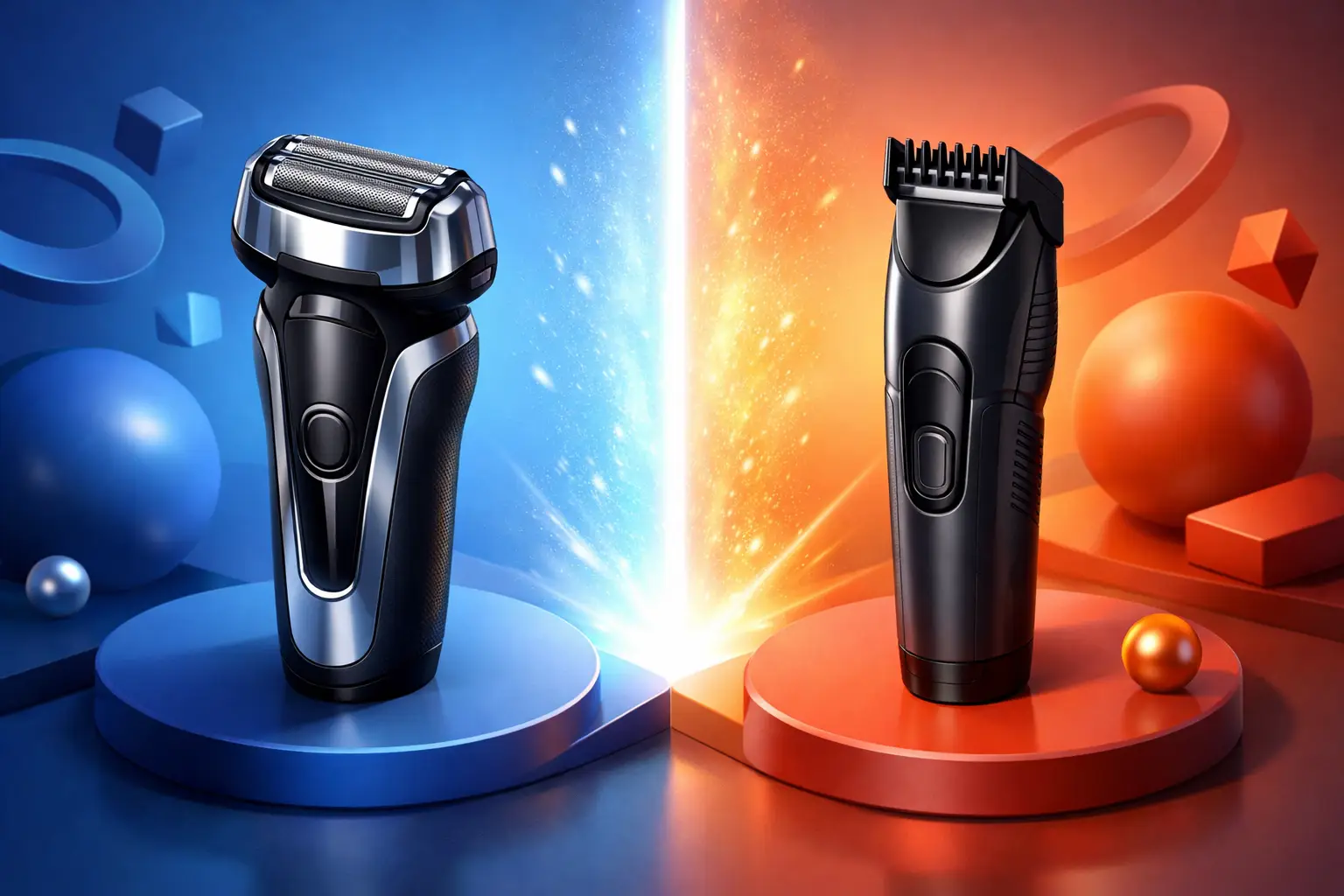
Foil shaver vs trimmer: the real difference
A trimmer is built for precision cutting above the skin. It shapes lines, removes bulk in tight areas, and gives you control around beards, necklines, sideburns, and edge work. It is the tool you reach for when definition matters.
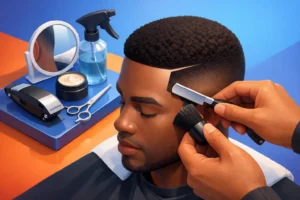
A foil shaver is built for an ultra-close finish. The blades sit under a thin foil guard and cut hair down to skin level without the blade being exposed directly to the skin. That design makes it a finishing tool, not a lineup tool. It is what you use when you want the bald part of a fade cleaner, the neck smoother, or the face more polished than a trimmer alone can deliver.
That difference sounds simple, but in practice it changes everything. A trimmer gives shape. A foil shaver gives finish. One is about structure, the other is about refinement.
When a trimmer is the right call
If your work depends on clean outlines, a trimmer earns its place first. It is the better tool for setting a beard perimeter, carving a lineup, detailing around the ears, and tightening small zones without flattening the whole area down to skin.
For barbers, this matters most during setup and detailing. You can remove hair with intention, keep corners sharp, and work specific areas without overcommitting. On a beard client, that control is everything. Most people do not want their cheek line or neckline shaved all the way down unless that is the look they asked for.
For home users, a trimmer is usually the safer all-around tool. If someone wants to keep stubble, maintain a short beard, or clean up around the edges between appointments, a trimmer handles the job without forcing the skin-level finish of a shaver. It is also better for longer or denser hair because it can knock down growth before you move to a closer tool.
There is also a skin factor. On sensitive skin, a trimmer is often more forgiving because it does not chase the hair as close as a foil shaver. You give up a little smoothness, but you reduce the chance of irritation.
When a foil shaver is the better tool
A foil shaver steps in when a trimmer is not enough. You already set the shape. You already did the blend. Now you want that bald section cleaner, that neck finish smoother, or that face nearly razor-close without going full straight razor.
This is where foil shavers shine in the shop. They are excellent for finishing skin fades, cleaning the neckline, and polishing areas where visible shadow would weaken the final look. A solid foil shaver gives that extra level of closeness that makes a fade look complete under bright shop lighting.
For personal grooming, the same rule applies. If someone wants a cleaner shaved face than clippers or trimmers can give, a foil shaver is the logical step. It is especially useful for people who want a consistently smooth look but are not interested in wet shaving.
That said, foil shavers have limits. They do not handle long hair well. If the hair is too grown out, the shave gets patchy, slow, or uncomfortable. In most cases, you need to knock the hair down first with a trimmer or clipper before the foil shaver can do its job properly.
Foil shaver vs trimmer for fades
On fades, this is not really an either-or decision for professionals. It is a sequence.
The trimmer usually comes first if you are setting the bald line or cleaning tight areas with control. Then the foil shaver takes the skin section even closer, softening shadow and giving the fade a cleaner foundation. Trying to build a sharp skin fade with just one of these tools usually creates extra work.
If you only have a trimmer, you can still produce a strong result, but the finish will not be as skin-close. If you only have a foil shaver, you lose the control needed for detail work and line setting. That is why serious barbers treat them as separate tools with separate jobs.
For home users doing self-cuts, the choice depends on the look. If you want a tight fade with true skin at the bottom, a foil shaver helps. If you just want maintenance and cleanup, a trimmer may be enough and easier to manage.
Beard work changes the answer
Beards make the foil shaver vs trimmer conversation more specific. A trimmer is the better choice for shaping and maintaining beard length. It lets you define the neckline, clean the cheek line, and preserve fullness where you want it.
A foil shaver only makes sense on beard work when you want bare skin around the beard. That might be under the neckline, high on the cheeks, or in areas where you want strong contrast between beard and skin. Used correctly, that contrast can make the beard look sharper and more intentional.
Used carelessly, it can also take off too much and force a correction. That is the trade-off. A foil shaver creates a cleaner finish, but it leaves less room for error.
Speed, comfort, and daily use
A lot of people assume the closer tool is automatically the better tool. That is not how it works in real use.
A trimmer is faster when you are shaping, reducing length, or maintaining consistent stubble. It is also more versatile across different hair lengths. If someone is grooming every few days and wants control more than a skin-smooth finish, the trimmer often wins on convenience.
A foil shaver is faster only when the hair is already short enough and the goal is closeness. It can give a polished result quickly, but only if you are using it in the right window. Let too much growth build up and the job slows down.
Comfort depends on skin type, technique, and maintenance. Some users find foil shavers gentler than manual razors. Others get irritation if they press too hard or use them too often on sensitive areas. Trimmers usually cause less irritation, but they do not leave the same smooth result. Again, it depends on what matters more – skin comfort or closeness.
What barbers should look for in each tool
Professionals should judge both tools on performance, not marketing. A trimmer needs sharp blades, stable power, and consistent control through detail work. You want clean hits, reliable outlining, and enough torque to handle repeated use without dragging.
A foil shaver needs even cutting, solid battery life, and a foil system that finishes close without beating up the skin. If it struggles on short stubble or leaves uneven patches, it slows down your service and weakens your result.
Durability matters too. These are working tools. In a busy shop, weak motors, cheap housings, or inconsistent battery performance show up fast. That is why barber-tested gear matters. Tools should hold up under repetition and still deliver the same result late in the day that they gave in the first appointment.
Which one should you buy first?
If you are building a kit from scratch, start with a trimmer. It covers more ground, gives better control, and supports more services. You can shape beards, maintain edges, clean around the ears, and handle daily grooming without forcing every look down to skin.
Add a foil shaver when you need a higher level of finish. For barbers, that usually means as soon as skin fades and polished neck cleanup become regular parts of the service menu. For grooming enthusiasts at home, it makes sense when you know you want that smoother final result and you are willing to keep the hair short enough for the tool to work efficiently.
The best setups are not built around hype. They are built around workflow. A trimmer handles control. A foil shaver handles finish. If you expect one tool to do both jobs equally well, the work will show it.
Professional grooming is about execution, not guessing. Pick the tool that matches the result you need, use it at the right stage, and your finish gets cleaner fast. That is how sharp work stays sharp.
Share This :
Search
Recent Post
How to Set Trimmer Zero Gap Safely
July 3, 2026
How to Sharpen Lineup Edges Cleanly
July 1, 2026
When to Replace Clipper Blades
June 29, 2026