Precision Trimmer Meaning Explained Clearly
- Home
- Single Blog
Precision Trimmer Meaning Explained Clearly
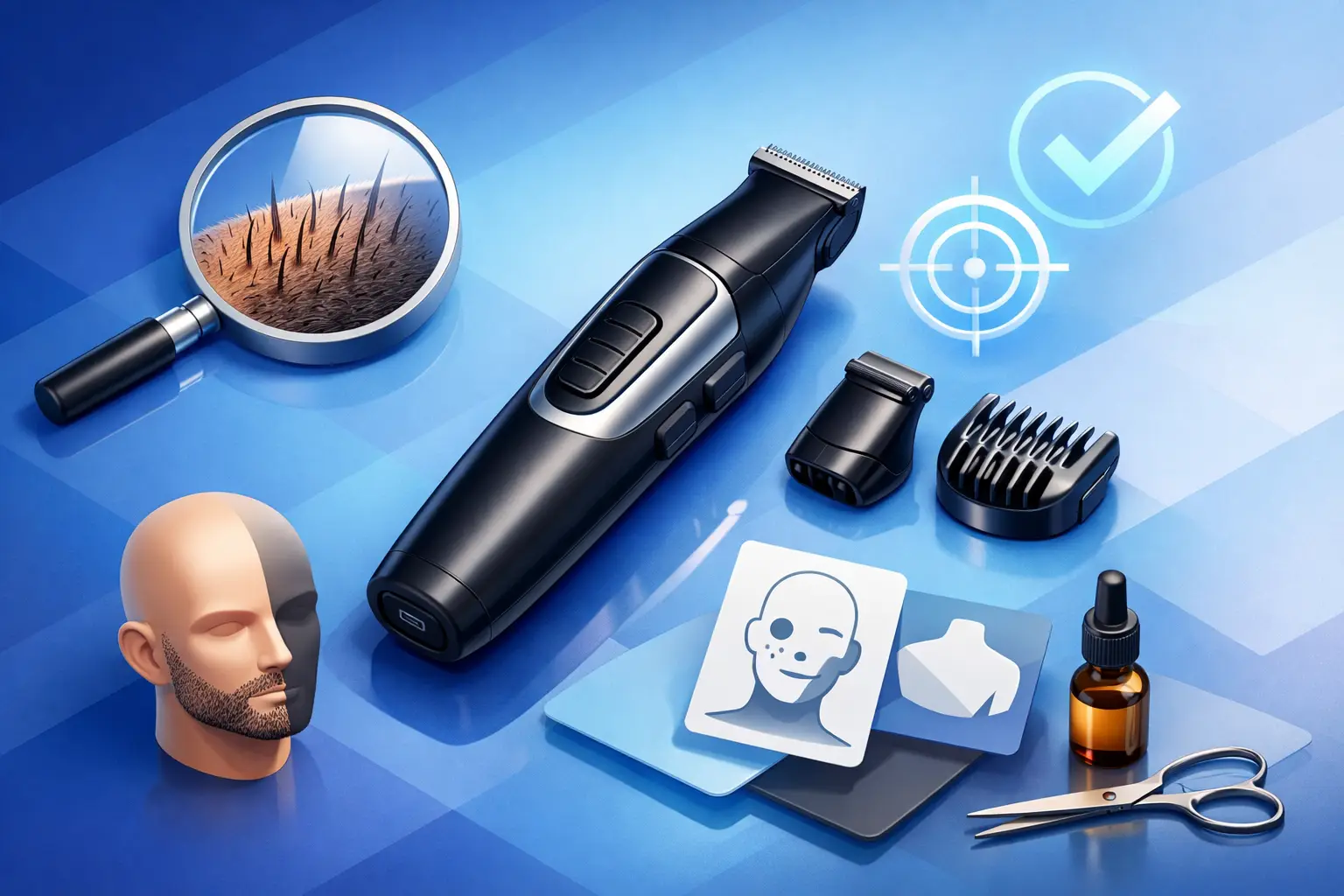
Ask ten people what a precision trimmer is, and you will usually hear the same vague answer: a small trimmer for details. That is not wrong, but it is not enough if you actually cut hair, shape beards, or care about clean execution. The real precision trimmer meaning comes down to control. It is a tool built for tight areas, exact lines, close outlining, and finishing work where a standard clipper or bulk trimmer can feel too wide, too blunt, or too aggressive.
For barbers and serious home groomers, that distinction matters. A precision trimmer is not just a smaller machine. It is designed to help you work with more accuracy around the hairline, beard edge, mustache, sideburns, neckline, and other places where a half-inch mistake shows immediately.
What is the precision trimmer meaning?
In plain terms, the precision trimmer meaning is a trimmer made for detailed grooming work rather than fast bulk removal. It is built to cut in smaller, more exact zones where shape, symmetry, and edge definition matter most.
That can include facial hair detailing, lineup cleanup, outlining around the ears, sharpening a neckline, or trimming stray growth in hard-to-reach spots. On some grooming devices, a precision trimmer is a narrow attachment or flip-out detail blade. In barber tools, it more often refers to a dedicated trimmer engineered for edging, outlining, and close detail work.
The key word is precision. This tool is about placement, visibility, and control in the hand. You are not trying to clear volume fast. You are trying to leave a line looking intentional.
Why precision trimmers exist
A standard clipper is made to move weight. A standard trimmer can still handle outlining, but not every trimmer gives the same level of visibility or access when you are working a corner, a curve, or a compact area. Precision trimmers exist because detail work demands a different feel.
When you are carving a front line, cleaning a mustache edge, or tightening the corners of a beard, blade size and tool shape matter. A narrower head lets you see exactly where the blade is landing. A lighter body can reduce overcutting. Better balance helps you stay steady on tiny movements.
That is why a barber may own multiple cutting tools that look similar to a customer but perform very different jobs in real use. One clears bulk. One blends. One hits the final edge. Precision is a separate lane.
Precision trimmer meaning in barbering
Inside barbering, the precision trimmer meaning gets even more specific. It is usually tied to finishing work that defines the haircut or beard service visually. The fade can be solid, but if the lineup is soft or the beard edge drifts, the whole service loses sharpness.
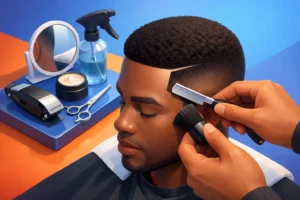
A precision trimmer helps with front lines, temple areas, arches around the ear, neck cleanup, beard shaping, and mustache detailing. It is also useful when working on kids, clients with tighter facial contours, or anyone with design elements that need exact blade placement.
This is also where skill matters as much as the tool. A precision trimmer does not magically create crisp work. It gives a skilled hand a better chance to execute crisp work consistently.
How a precision trimmer differs from a regular trimmer
The easiest way to understand the category is to compare purpose. A regular trimmer is often built to handle broader outlining and general grooming. A precision trimmer is built to narrow the margin for error.
Usually, that means a slimmer blade area, a more compact cutting head, or attachments designed for exact trimming lengths in small sections. It may also mean a tool that cuts very close while still letting the barber see the line clearly.
That said, not every product labeled precision is truly barber-grade. Some consumer tools use the term for marketing, even when the attachment is weak, the motor lacks consistency, or the blade is too flimsy for repeated professional use. The label matters less than the actual performance.
If a tool pulls, skips, loses power under pressure, or blocks your sightline during detailing, it is not delivering precision where it counts.
Where precision trimmers are used most
The most common use is edge work. That includes lining the forehead, refining the temple area, tracing around the ears, and sharpening the neckline. On facial hair, it is used to define cheek lines, clean the mustache border, separate the lip line, and tighten under the chin.
For home users, a precision trimmer is especially useful when a full-size trimmer feels too bulky around the nose, corners of the mouth, or a short beard outline. For barbers, it becomes part of the finishing process that takes a cut from passable to polished.
It is also valuable for maintenance between full services. A client may not need a full haircut, but a quick edge refresh with the right trimmer can bring the whole look back to life.
What to look for in a true precision trimmer
If you are buying based on performance, start with blade visibility. You need to see what you are doing without guessing where the cutting edge lands. That alone separates useful detail tools from frustrating ones.
Next is control. The body should feel balanced, not awkward or top-heavy. A detail tool that fights your grip will show up in uneven corners and shaky lines.
Motor consistency matters too. Detail work is where weak power gets exposed. If the blade bogs down on dense beard hair or coarse edge growth, you lose speed and accuracy. Close cutting performance matters, but so does comfort. Some ultra-close tools can irritate sensitive skin if the blade setup is too aggressive for the user or the area being worked.
Then there is durability. In a shop, a trimmer gets used hard. If you are cutting all day, you need a tool that holds alignment, keeps its edge, and stands up to cleaning and repeated use. That is where tested-and-approved barber tools separate themselves from flashy packaging.
Precision trimmer meaning for home grooming
For home users, the precision trimmer meaning is simpler but still practical: it is the tool you use when you want a cleaner result than a basic beard trimmer can give. It helps with touch-ups, beard shaping, mustache control, and keeping edges neat between barber visits.
But expectations should stay realistic. A precision trimmer can help you maintain shape. It does not replace barber technique. If you push a line back or over-detail a beard edge, the smaller blade will not save you from bad judgment.
For most home setups, the best use is maintenance. Clean around the edges, remove stray growth, and preserve the shape already established. That approach usually gets better results than trying to redesign your whole hairline in the bathroom mirror.
Common confusion around the term
One reason people search precision trimmer meaning is because the term gets used in different ways. In some products, it refers to a narrow attachment for a beard trimmer. In others, it means a separate detail trimmer. In barber shops, people may use it loosely for any trimmer that gives crisp edges.
That is why product descriptions can be misleading if they only use broad language like precise, detailed, or professional. A true precision tool should show how it improves exact work, not just say it does.
It also depends on the service. A barber doing heavy lineup work all day may need a dedicated pro trimmer with strong close-cutting performance. A home user maintaining a beard line may be fine with a grooming device that includes a solid precision head. Same term, different workload.
Does every barber need one?
If you do lineups, beard work, or finish cuts to a high standard, yes, some form of precision trimmer belongs in your setup. That does not always mean a separate niche tool if your main trimmer already gives elite visibility and control. But it does mean your equipment needs to support exact finishing.
This is where personal workflow comes in. Some barbers prefer one high-performance trimmer that handles both general outlining and fine detail. Others keep a second tool specifically for tighter work. There is no fake debate here. The right answer is the one that keeps your results consistent all week.
What does not change is the standard. If your tool choice makes detail work slower, less accurate, or less repeatable, it is costing you.
The bottom line on precision trimmer meaning
The precision trimmer meaning is not complicated once you strip out the marketing. It is a trimmer built for exact work – sharp edges, small zones, controlled placement, and polished finishing. In barbering, that means cleaner lineups, tighter beard work, and better visual definition where clients notice it first.
Good tools do not replace skill, but they do protect it. If your work depends on crisp execution, your trimmer should match that standard. That is the whole point: more control where the details decide the result.
When a tool helps you hit the line you meant to hit, every time, that is precision worth paying attention to.
Share This :
Search
Recent Post
How to Set Trimmer Zero Gap Safely
July 3, 2026
How to Sharpen Lineup Edges Cleanly
July 1, 2026
When to Replace Clipper Blades
June 29, 2026