Best Shaver for Bald Fade: What Works
- Home
- Single Blog
Best Shaver for Bald Fade: What Works
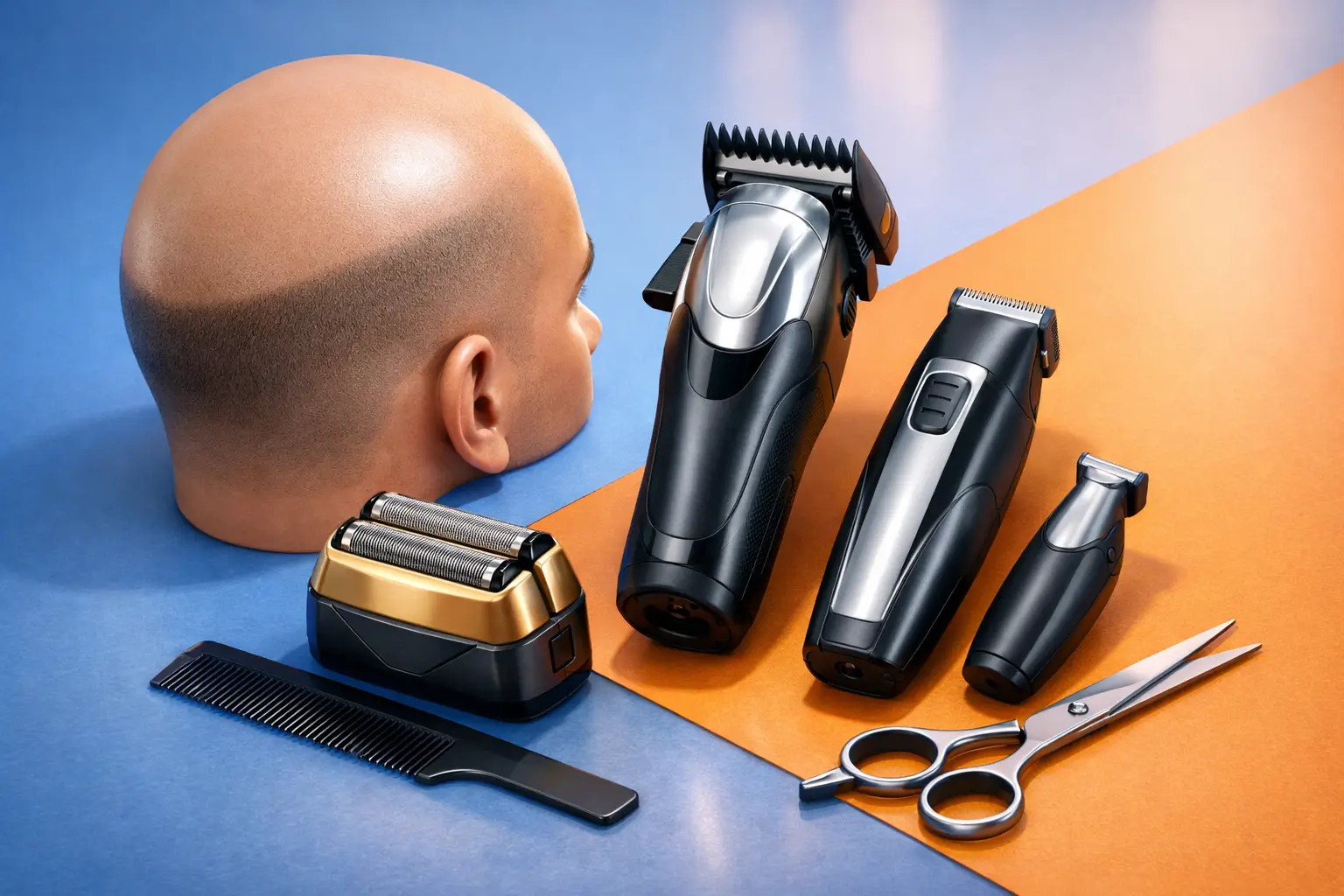
A bald fade gets judged in the last inch. You can blend the clipper work perfectly, set a clean guideline, and still lose the finish if your shaver leaves shadow, irritation, or uneven takeoff. That is why picking the best shaver for bald fade work is not about hype. It is about how clean it finishes, how safely it works on different skin types, and how consistently it performs on a busy schedule.
For barbers, the shaver is not a side tool. It is part of the final standard. For home users chasing a sharp fade, it is the difference between looking freshly cut and looking almost there. The right choice depends on your hand speed, your prep, your client mix, and how close you need that bottom section to sit.
What makes the best shaver for bald fade work
The best shaver for bald fade jobs does three things well. First, it removes bulk stubble close enough to create that clean bald section without forcing repeated passes. Second, it does it with control, especially around the occipital area, behind the ears, and near sensitive skin. Third, it holds up under regular use without losing power halfway through the week.
Close cutting is the obvious part, but comfort matters just as much. A shaver that cuts extremely close but leaves razor bumps on every other client is not a professional solution. Neither is a unit that feels smooth but struggles to clear dense growth at the base of a skin fade.
That balance is where a lot of buyers get it wrong. They shop for the closest possible shave and ignore motor strength, foil quality, battery life, and ergonomics. In real shop conditions, those details decide whether your finish stays clean and efficient.
Foil or rotary for a bald fade?
For most bald fade work, foil shavers are the standard. They are built for short, tight finishing work and they usually give a cleaner, more controlled result on the lower section of a fade. If your goal is to erase visible stubble and keep the transition tight, foil usually wins.
Rotary shavers have their place, especially for head shaving or clients with hair growing in multiple directions. They can adapt well to contours, but they are generally less precise for the kind of detail work a barber wants at the base of a fade. If you are trying to keep a bald section sharp and predictable, rotary can feel a little too broad.
That does not mean foil is always better in every case. On very sensitive skin, an aggressive foil paired with poor prep can cause irritation fast. On the other hand, a quality rotary used carefully may feel better for some home users who are shaving their own head and want more flexibility around curves. Still, in a barber setting, foil is usually the tool that matches the standard.
The features that actually matter
Motor performance comes first. A weak shaver drags. It forces extra passes, heats up faster, and turns a clean finish into a long process. You want a unit that stays strong through dense stubble and does not bog down when you hit coarser growth near the nape.
Foil quality matters just as much. Good foils glide smoothly, stay consistent, and help reduce snagging. Cheap foil heads tend to wear down fast, and once that happens, the cut quality drops with them. If replacement heads are hard to find or too expensive, the tool becomes less practical over time.
Battery life is not just about convenience. In a shop, dead tools cost time. Cordless freedom is great, but only if the charge holds and the power output stays steady until the end. Some shavers technically last long enough, but the performance falls off as the battery drains. That shows up in patchy finishing and slower service.
Ergonomics also deserve more respect than they get. A shaver that feels awkward in hand will slow your work, especially when you are detailing around curves and soft spots. Lightweight matters, but balance matters more. You want a tool that feels planted, not flimsy.
Then there is skin comfort. Hypoallergenic foils, smooth cutters, and cool operation all help, but prep and technique still matter. Even the best machine will punish bad habits.
Why prep changes the result
A shaver should finish short stubble, not mow down long hair. If you hit the bald section too early with the shaver, you are setting yourself up for pulling, irritation, and uneven spots. The cleaner your clipper and trimmer work is before the shaver touches the skin, the better the final result.
That means taking the hair down properly first. Most barbers will remove bulk with clippers, tighten the area with a trimmer, and then finish with the foil shaver. That sequence matters because the shaver works best when it is cleaning up what is already very short.
Skin condition matters too. Dry, dirty, or overly oily skin can affect glide and comfort. On clients with sensitive skin, a hot towel or proper skin prep can make a noticeable difference. At home, even a simple routine of cleaning the scalp and shaving on calm skin instead of irritated skin will help.
Best shaver for bald fade at home vs in the shop
If you are a home user, your priorities may be different from a working barber’s. You might care more about ease of use, comfort, and value over daily-duty durability. A forgiving shaver with decent power can be enough if you are maintaining your own fade once or twice a week.
In the shop, the standard is higher. You need speed, repeatability, and a machine that can take constant use without acting fragile. A shaver that works fine in a bathroom mirror can fall short fast under back-to-back appointments. Heat buildup, battery inconsistency, and foil wear become real problems when the tool is working all day.
That is why professionals should think beyond first impressions. A shaver that feels smooth out of the box is not automatically the right call. The better question is whether it still hits clean after months of use, regular sanitation, and heavy demand.
The trade-offs you should expect
No shaver is perfect for every head, every skin type, and every workflow. Some cut closer but run hotter. Some feel gentler but need more passes. Some are built like tanks but feel heavier in hand. That is normal.
If your clients regularly have coarse hair and want a bald finish with almost no shadow, you may lean toward a more aggressive foil setup. If your client base includes a lot of sensitive skin or you do frequent neck cleanup, you may favor comfort and controlled pressure over absolute closeness.
For self-cuts, visibility and handling become bigger factors. A very powerful shaver is great, but not if it is hard to maneuver on your own head. In that case, a model that gives up a little speed for easier control might actually be the smarter choice.
How to get a cleaner bald fade with any shaver
Even the best tool needs the right technique. Use light pressure. Pressing harder does not get you closer. It usually causes irritation and wears the foil faster. Let the machine do the work.
Work against the grain when needed, but do it with intention. Short, controlled strokes usually outperform rushed swipes. Stretching the skin slightly can also improve contact, especially around curved areas.
Keep the shaver clean. Packed hair under the foil reduces performance fast. Regular cleaning, proper disinfection, and timely foil replacement are not optional if you want a crisp finish every time. This is one reason barber-tested tools from brands like Encore The Barber hold value – they are chosen with real workflow in mind, not just shelf appeal.
It also helps to know when not to force the shaver. If the area is not short enough yet, go back with the trimmer first. If the skin looks irritated, stop chasing one more pass. Good barbering is judgment, not just tool pressure.
So what is the best shaver for bald fade results?
The best choice is usually a professional-grade foil shaver with strong motor output, dependable battery performance, quality replacement foils, and a skin-friendly finish. That combination gives most barbers the closest match to what the service actually demands – speed, control, and a clean bald section that supports the fade instead of distracting from it.
If you are cutting all day, buy for durability and consistency. If you are maintaining your own look at home, buy for comfort, control, and enough power to finish clean without overworking the skin. Either way, avoid underpowered tools and cheap foils. They cost less once and disappoint you repeatedly.
A bald fade only looks effortless when the finish is handled right. Choose a shaver that respects the craft, learn how it likes to work, and let the final pass look as sharp as the blend above it.
Share This :
Search
Recent Post
How to Set Trimmer Zero Gap Safely
July 3, 2026
How to Sharpen Lineup Edges Cleanly
July 1, 2026
When to Replace Clipper Blades
June 29, 2026