
Best Trimmer for Lineups That Stay Sharp
- Home
- Single Blog
Best Trimmer for Lineups That Stay Sharp
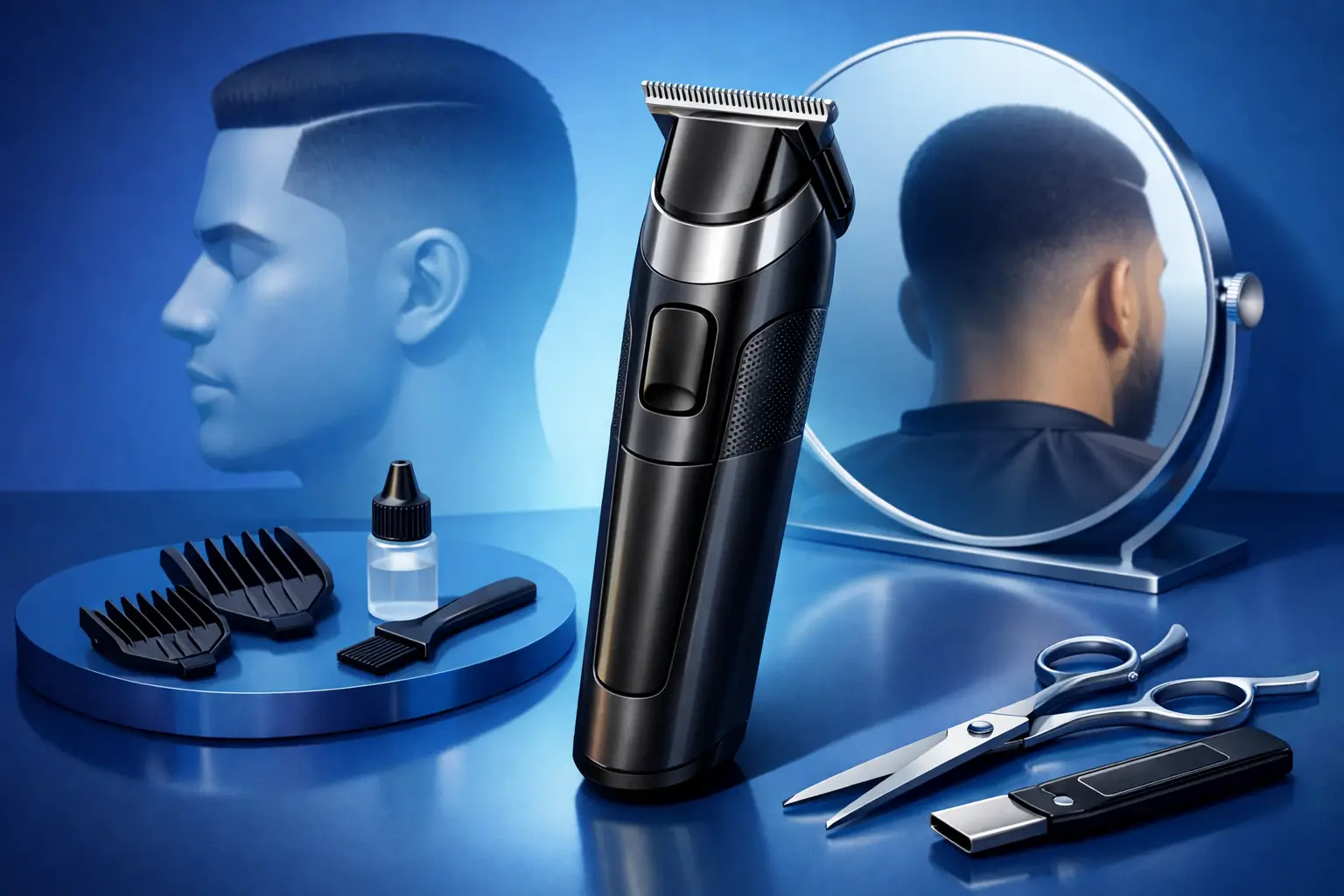
A lineup tells on your tools fast. You can have clean blend work, solid fading, and good client communication, but if the edge-up drags, pushes, or leaves a soft line, that is what people remember. Finding the best trimmer for lineups is not about hype or whatever is trending this month. It is about control, visibility, blade performance, and how consistently the tool shows up when you need a crisp result on the front line, c-cup, beard, and around the ears.
For a working barber, lineup work is where precision gets exposed. For a serious home user, it is usually the detail that separates an average cut from one that looks finished. That is why the right trimmer matters more than the loudest specs on the box.
What actually makes the best trimmer for lineups?
A good lineup trimmer has one job – create sharp, accurate lines without forcing you to fight the tool. That starts with the blade. You want a blade that cuts clean on first contact, stays cool enough through detail work, and gives you a clear view of the line you are building. Wide blades can speed up work on straight edges, but they are not always the best choice for tight curves or fine beard shaping. Narrower or more compact heads can give you better visibility and control, especially in the corners.
Power matters too, but not in the way marketing usually frames it. A trimmer does not need to sound aggressive to perform. What matters is whether it keeps torque when you hit dense growth, coarse beard hair, or clients with sensitive skin who cannot take repeated passes. A trimmer that drops off under pressure will force you to compensate with extra strokes, and that is where irritation and inconsistent lines start showing up.
Then there is balance. If the housing is too bulky, your hand has to work harder to stay accurate. If it is too light and feels cheap, you lose confidence in the stroke. The best lineup trimmer usually feels stable, predictable, and easy to rotate as you move from forehead to temple to beard outline.
Blade type matters more than most people think
If you are comparing trimmers, start with the blade before anything else. T-blades are popular for a reason. They open up your sightline, let you work corners cleanly, and give you better reach around ears and beards. For most lineup work, a well-set T-blade is the standard because it supports both speed and detail.
But blade shape is only part of it. The real question is how the blade is set. Some barbers like a trimmer zero-gapped for maximum sharpness. That can produce extremely crisp results, especially on strong hairlines and dense facial hair. The trade-off is that a tighter blade setup can increase the risk of nicking or skin irritation if your pressure is off or the client has more sensitivity.
A standard-gapped blade is more forgiving. You may give up a little raw sharpness, but you gain comfort and safety. If you are doing lineup work all day on different skin types, that trade-off can be worth it. There is no universal answer here. The best setup depends on your hand, your clients, and how aggressive you want the cut to feel.
Cordless convenience versus nonstop shop performance
Most barbers prefer cordless trimmers for lineup work because freedom of movement matters. You can rotate the tool naturally, adjust angles without fighting a cord, and move faster around the chair. For mobile barbers and home users, cordless is almost always the better fit.
That said, battery performance is not a minor detail. A trimmer can feel great for the first 20 minutes and become unreliable once charge drops. The best trimmer for lineups needs consistent cutting power through the full session, not just right off the charger. Fast charging is useful, but runtime under real working conditions matters more.
Corded trimmers still have a place in high-volume settings, especially if you want dependable all-day performance without thinking about battery cycles. The downside is reduced flexibility. For some barbers that is a fair trade. For others, especially those doing fast detail work all day, the cord gets old quick.
The best trimmer for lineups depends on who is using it
A shop barber doing 10 to 20 heads a day does not need the same thing as someone cleaning up their own hairline at home. That is where a lot of buying mistakes happen. People shop for the most talked-about trimmer instead of the trimmer that fits the job.
For professional barbers
If you are in the shop every day, durability and repeat performance come first. You need a trimmer that can handle constant use, disinfecting, blade cleaning, and long sessions without losing edge quality. Comfort matters because wrist fatigue is real when you are switching between clipper work, shear work, and detail work all day.
Look for a trimmer with strong torque, a blade you can adjust or replace easily, and a shape that gives you control from multiple grip positions. If the tool is hard to palm, hard to flip, or awkward around the c-cup, it will slow you down no matter how strong the motor sounds.
For serious home users
If you are maintaining your own lineup or beard between cuts, you may not need the most aggressive pro setup. You need visibility, ease of use, and a blade that gives clean edges without punishing small mistakes. A forgiving trimmer with solid blade quality will usually serve you better than a super-tight setup that demands pro-level touch.
For self-lineups, mirror angle and hand position already make the job harder. A trimmer that is easier to guide and less likely to bite can actually give you cleaner results over time.
What to watch out for when shopping
Some trimmers are marketed for detail work but are really better as light finishing tools. They may look good on paper but struggle on coarse hair or leave you doing too many passes. That is a problem for lineup work because every extra pass increases the chance of pushing the line back or irritating the skin.
Another issue is heat. If the blade heats up too fast, your pace changes. You hesitate, your client notices, and the whole service feels less controlled. Heat is not always obvious in product descriptions, which is why real barber feedback matters. Tested-in-shop performance tells you more than polished packaging.
Noise and vibration also matter more than people admit. Excess vibration can make detail work less precise, especially on narrow points and beard corners. It does not have to be silent, but the tool should feel planted in the hand, not jumpy.
Technique still decides the final line
Even the best tool will not save bad habits. Lineup work starts with a visual plan before the blade touches the skin. You need to read natural growth patterns, identify weak spots, and avoid chasing symmetry so hard that you erase the client’s shape. A good trimmer supports that discipline. It does not replace it.
Use light pressure. Let the blade cut. Stretch the skin when needed, especially around the temple and beard line. Work with the corners for detail and the full blade for straight sections. Most of all, avoid trying to create sharpness by digging in. Sharpness comes from clean contact and steady execution, not force.
This is also where maintenance matters. Dirty blades, old buildup, poor oiling, and loose screws will show up immediately on a lineup. If your trimmer has been hitting all day and you have not cleaned it, do not blame the tool for a line that starts ghosting.
So what is the right call?
The best trimmer for lineups is the one that gives you clean first-pass cutting, strong visibility, stable control, and reliable performance over time. For most barbers, that means a quality T-blade trimmer with enough power for dense hair, a body that feels right in hand, and a blade setup that matches your style of work. For home users, it usually means choosing control and forgiveness over the most aggressive possible cut.
That is the standard brands like Encore The Barber are built around – tools that do the job the right way, not just tools that look good in a product photo. Because when the lineup is the last thing the client sees in the mirror, every detail has to hold up.
Pick the trimmer that fits your hand, your pace, and your standard. Then keep it clean, keep it tuned, and let your work speak for itself.
Share This :
Search
Recent Post
How to Set Trimmer Zero Gap Safely
July 3, 2026
How to Sharpen Lineup Edges Cleanly
July 1, 2026
When to Replace Clipper Blades
June 29, 2026